

The process of designing an incredible new program for a growing nonprofit is one of the most thrilling parts of nonprofit work. There is so much need in our communities—and so many incredible organizations and leaders working to address those needs.
Here at Funding for Good, we spent many years raising millions for nonprofit programs. But along the way, we noticed a trend:
Often, nonprofits jumped straight to seeking grant writing services before investing in program design and development.
While most of these organizations have great intentions and are serious about meeting an important need in their community, many are still in the baby stages of program design and development. This can lead to programs that struggle to raise money and create the desired impact.
Let’s look at simple strategies to make sure your programs are positioned to succeed.
Why Nonprofit Program Design Comes Before Grant Writing
It’s tempting to jump straight into writing a grant proposal for your new project or program as soon as you can. You need funding to launch the program, after all! And, yes, some organizations are able to write convincing grant proposals that get funded without a full program design process.
But here’s where we’ve seen things start to fall apart:
- The vision is there, but there are gaps in the execution plan—meaning the true costs and capacity needed to run the program are underestimated.
- Initial funding is for only a portion of the total budget. This means the organization can’t afford to add new staff and instead expects current staff and volunteers to assume just “a few extra responsibilities” to run the program.
- The projected budget doesn’t include the critical but often overlooked behind-the-scenes needs—like data management, evaluation, specialized software, equipment, increased accounting capacity, etc. This means the program is destined to go over budget or, to save money, cut into bigger line items like personnel. This puts more responsibilities back onto already overstretched staff.
- The program doesn’t have full staff or board commitment, meaning when inevitable challenges pop up—such as under-raising or under-performing—there is a greater chance that the program will get cut (even if it was a great idea).
- The program is built around an idea, rather than a full needs assessment, meaning some of the strategies and tactics may not be in alignment with the reality of community needs and resources.
- Other organizations are already running similar, or even more effective, programs, leading to competition that doesn’t benefit the communities served.
So, how to avoid these problems? By taking a step back for program design before jumping into fundraising and grant writing.
Questions to Ask When Designing a Nonprofit Program
To make sure your organization’s staff, volunteers, and board are all on the same page, use the following points of conversation as a starting point when designing a new program:
1. What is the primary purpose of the program?
2. Is there a need for the program? Describe the need using statistics/community reports.
3. Who is the target population?
4. How will the program design help meet the community’s needs?
5. What are the true costs associated with program development, implementation, and reporting?
6. What resources are critical for both the short-term and long-term success of the program? Consider:
- Financial resources will need to be secured to pay for the program; this could include program fees, grants, individual donors, etc.
- Materials may need to be created, services may need to be launched, systems for monitoring program outcomes may need to be developed, etc.
- Community partnerships and collaborations may need to be developed, expanded, or formalized—especially so you can avoid duplication of efforts.
7. How will the organization sustain this program?
- What is your organization’s current and long-term capacity?
- How will you develop diversified funding streams?
- Do you have the financial systems and procedures in place to maintain the program?
- Do you have a plan for evaluation?
8. Does the Board of Directors agree there is a need for the program and commit to supporting it?
Once you’ve worked through these eight questions, you’ll be much closer to being ready to start raising money for your program. For resources and hands-on support on turning your program design into a fundable proposal, check out our upcoming in-person Grant Writing and Research Workshop.
Avoid These 3 Program Design Mistakes
There are a lot of potential ways that programs can be thrown off course. Here are three of the most common program design mistakes we’ve seen in our work with nonprofits:
- Don’t create a program to chase after grant funds. Grant funds are great to start a program, but rarely cover the full cost of a program with indefinite renewals. Therefore, we strongly recommend only pursuing funds for programs that your organization has thoughtfully considered. All programs and grant requests should align with your vision and mission statements and with your strategic plan.
- Don’t duplicate. Be willing to partner to bridge gaps. Once you find a need within the scope of your mission, you might try to work alone. Don’t do it. For one thing, if the need is truly great, some other local groups are likely working on the same thing. With this in mind, get connected. Figure out how you can share resources and avoid duplicating services. In the long run, this type of partnership helps your community leverage more funding for the project.
- Don’t forget systems for tracking impact. Everyone must know the intended impact of the program. Chiefly, how will success be tracked, measured, and reported? You must know this before your program can launch or your grant writer can craft a proposal. Plus, tracking impact is a smart fundraising strategy. Programs with a proven history of success are more likely to achieve long-term sustainability.
Going from Program Design to Fully Funded
We know firsthand just how much work is involved in taking a program from concept to fully funded.
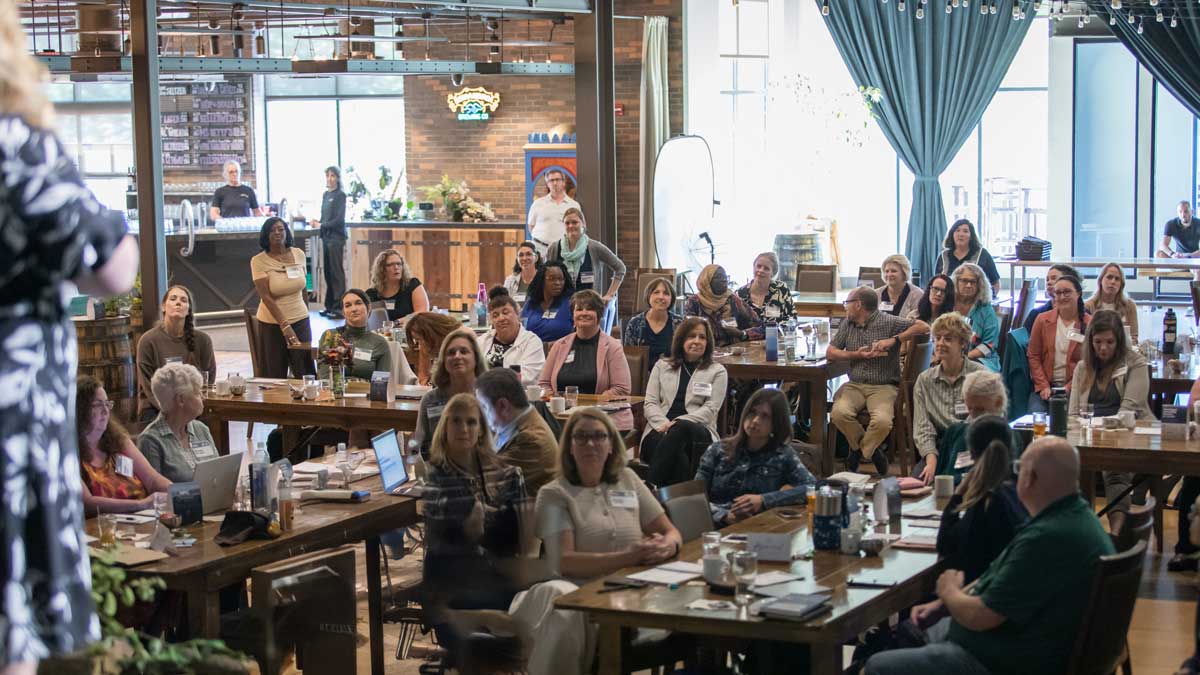
That’s why we’re excited to be hosting a two-day, in-person Grant Writing and Research Workshop on May 5 and 6 here in North Carolina.
This workshop is so much more than your standard “how to write a grant” session. Over two days, we’ll take you through the full grant funding process—from designing effective programs to finding well-matched funding prospects to writing high-quality grants.
Because fundraising is also about relationships, we’re bringing in two program officers from major foundations to teach you how to communicate effectively with foundation staff.
To recap, over our two days together, you will learn how to:
- Navigate the current grant funding landscape
- Design effective and fundable programs
- Find well-matched grant funding prospects for your work
- Write amazing grant proposals—including creating grant templates that will save you hundreds of hours
- Build relationships with funders—and get a Q&A with major program officers!
Because this event is in-person, space is limited! Grab your seat here.